
How Atlanta TSA Workers Exposed the Hidden Risk of Living One Paycheck From Crisis
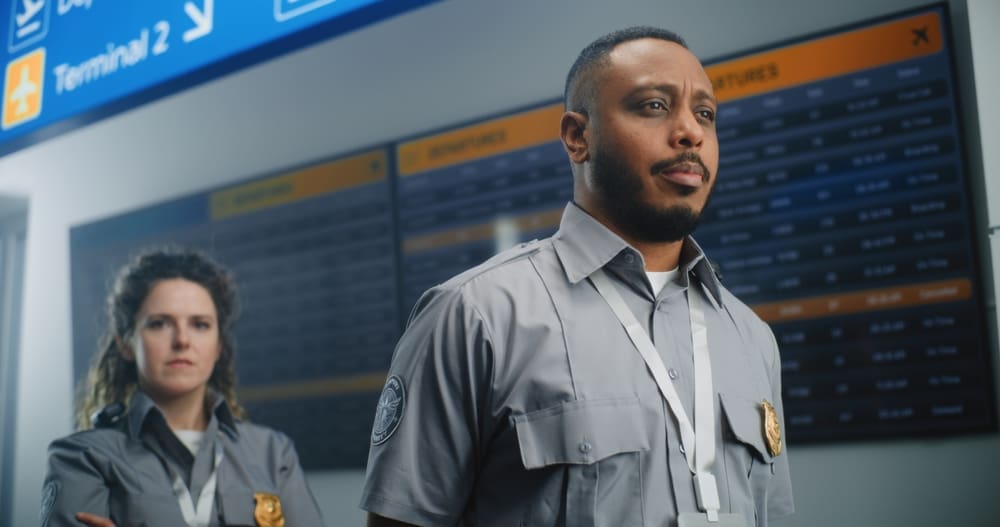
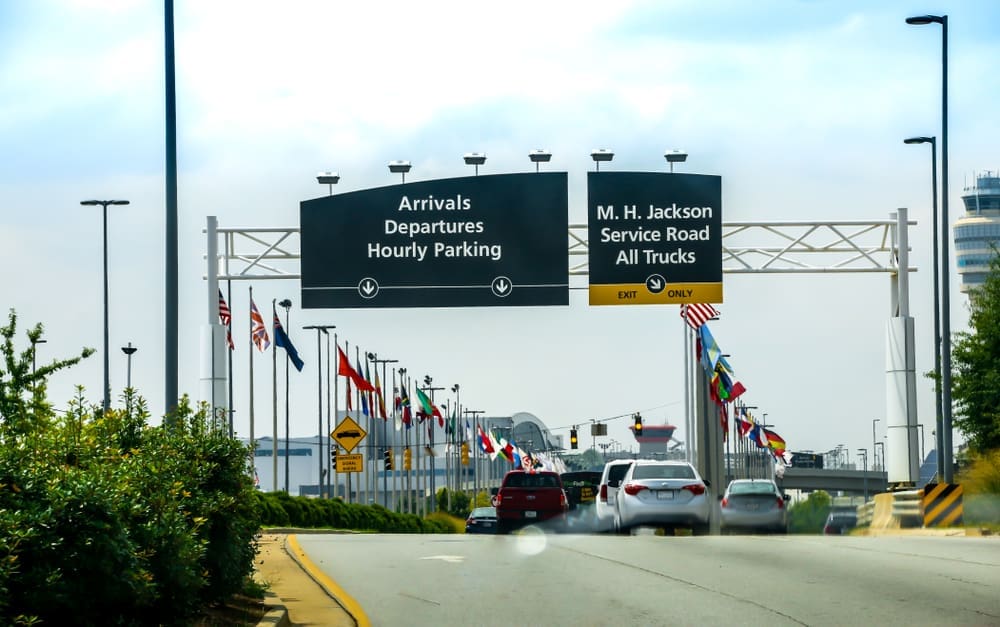
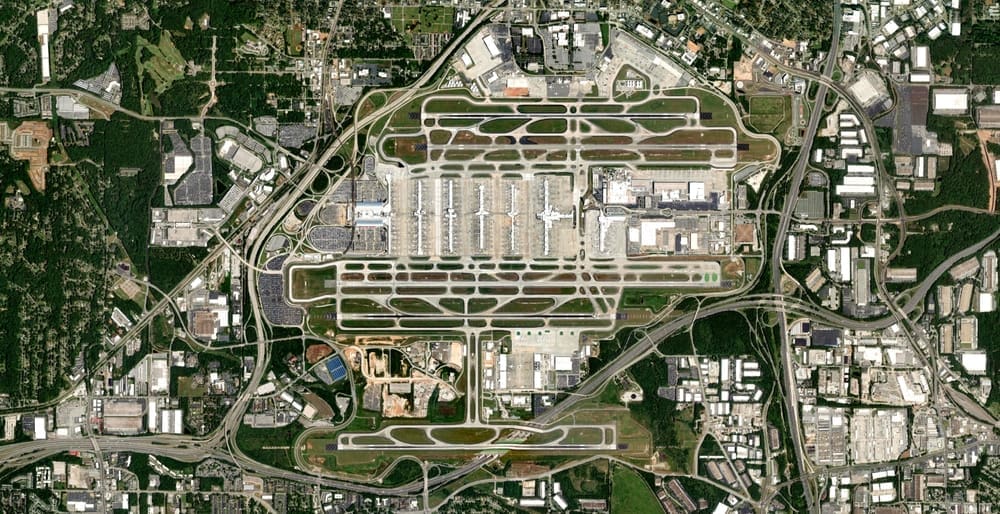
For days, images of massive security lines at Hartsfield-Jackson Atlanta International Airport flooded CNN, local broadcasts, and national headlines. Travelers watched as wait times stretched for hours, terminals backed up, and frustrations mounted inside one of the busiest airports in the world. But behind those long lines was a deeper story – one that had little to do with travel logistics and everything to do with financial hardship.
At the center of the disruption were Atlanta-area TSA workers who, despite being deemed essential employees, were reporting to work every day without receiving a paycheck during the Department of Homeland Security shutdown. While the public saw delays and inconvenience, what many did not see was the growing crisis unfolding behind the scenes: officers struggling to afford groceries, gas, childcare, and in some cases, even rent. Some TSA workers reported receiving paychecks as low as just a few dollars while continuing to work full time. Others turned to food banks, borrowed from family, or faced eviction notices as bills piled up.
When Public Headlines Reveal Private Hardship
The financial strain became so severe that Atlanta filmmaker and philanthropist Tyler Perry stepped in, donating $250,000 in gift cards to TSA workers at Hartsfield-Jackson after learning many had gone nearly six weeks without meaningful pay. The gift cards were intended to help workers cover basic necessities like groceries, fuel, and household expenses while they waited for delayed compensation.
While the gesture was widely celebrated, it also highlighted an uncomfortable truth: it should not take celebrity intervention for essential workers to afford food and keep a roof over their heads.
What happened at Hartsfield-Jackson was more than a government shutdown story – it was a powerful reminder of how financially vulnerable many working Americans truly are. For countless households, the difference between stability and crisis is just one interrupted paycheck. Even among full-time, salaried, or government-employed workers, many families live close enough to the margin that a sudden disruption in income can immediately threaten their housing security.
Why One Missed Paycheck Matters So Much
Rent, after all, does not wait for political negotiations. Utility bills still arrive. Grocery prices do not pause. Landlords still expect payment. And creditors rarely make exceptions simply because a paycheck has been delayed.
For many Atlanta renters, housing costs already consume a significant percentage of monthly income. Between rising rents, inflation, transportation costs, and childcare expenses, many families have little room to absorb financial shocks. So when an income disruption occurs – whether from a shutdown, injury, illness, temporary leave, or job loss – the fallout can escalate quickly.
A missed paycheck may mean:
- Dipping into savings
- Delaying utility payments
- Leaning on credit cards
- Borrowing from friends or family
And if the disruption continues, the consequences often intensify from there.
Housing Is Often the First Domino to Fall
As several TSA workers and union representatives noted during the shutdown, some officers faced threats of eviction after landlords refused to delay payment despite understanding the workers’ circumstances.
Unfortunately, once housing instability begins, the consequences can extend far beyond one late payment. Eviction filings, damaged credit, collections, and negative rental history can impact families for years, making it harder to secure future housing even long after the original hardship has passed.
For renters, missing housing payments can trigger a dangerous chain reaction:
- Late fees begin stacking up
- Notices are issued
- Credit scores can take a hit
- Future rental applications may become harder to approve
What starts as one difficult month can quickly become a long-term setback.
Financial Hardship Does Not Always Look Like Unemployment
Perhaps most striking about the Hartsfield TSA situation is that these were not unemployed individuals or people without jobs. These were actively working professionals – many of whom were clocking in every day, performing critical public safety duties, and still unable to meet their financial obligations simply because their pay was interrupted.
It shattered the common misconception that financial hardship only affects those without stable employment. In reality, even responsible, hardworking people can find themselves in crisis when circumstances outside their control disrupt their income.
That same reality affects workers across every industry, including:
- Teachers and school staff
- Healthcare workers
- Hospitality employees
- Retail managers
- Contractors and freelancers
- Government and municipal employees
No profession is entirely immune from financial disruption.

The Emotional Cost Is Just as Real
The emotional toll of that kind of financial uncertainty should not be overlooked. TSA workers described feeling demoralized, anxious, physically sick from stress, and embarrassed having to ask family members for help. Some reportedly took on side gigs, drove for rideshare companies, or even donated plasma to make ends meet.
The burden of worrying about how to pay rent while simultaneously protecting one of the nation’s busiest airports created immense strain on workers who were already carrying tremendous responsibility.
Financial stress impacts more than bank accounts – it affects mental health, family dynamics, job performance, and overall well-being.
A Lesson for Atlanta Renters and Families
For Atlanta businesses, renters, and families alike, the lesson here is clear: financial emergencies can happen to anyone, and they often happen without warning. A sudden pause in income does not need to last months to create devastation – for many households, even a few weeks is enough to start a downward spiral.
What unfolded at Hartsfield-Jackson was not just a story about politics or airport delays. It was a case study in how quickly financial hardship can escalate when households lack a safety net. It revealed just how many Americans – including essential workers – remain one paycheck away from housing instability.
Because when a paycheck stops, even temporarily, the consequences extend far beyond inconvenience.
They can threaten everything.
References
- Madani, D., & Siemaszko, C. (2026). TSA workers, unpaid for a month, turn to food banks, family and friends: “It’s demoralizing.” NBC News.
- Funk, J., & Seewer, J. (2026). Airport bottlenecks ease as TSA workers get paid, but DHS shutdown continues. PBS NewsHour / Associated Press.
- Bautista, M. (2026). I’m a TSA agent, and my most recent paycheck was just $4 thanks to the government shutdown. I can’t afford rent. Business Insider.
- Silverstein, A. (2026). TSA workers finally get to keep Tyler Perry’s $250K gift card payout. New York Post.
